Musculoskeletal disorders (MSDs) remain a significant occupational health issue in the waste and recycling industry.
The Health & Safety Executive (HSE) states that MSDs account for one third of all reported injuries in the industry, with the majority associated with collection activities.
Importantly, HSE identifies receptacle type and design, load weight, vehicle design, collection frequency and systems of work among the factors that can affect manual handling injury risk.
The scale of the issue
In Great Britain in 2024/25 an estimated 511,000 workers were suffering from work-related musculoskeletal disorders. These conditions resulted in 7.1 million working days being lost, an average of 14 days per case.
While these figures cover the whole workforce rather than the waste and recycling sector alone, they demonstrate the continuing scale of work related MSDs and the importance of reducing avoidable manual handling risks.

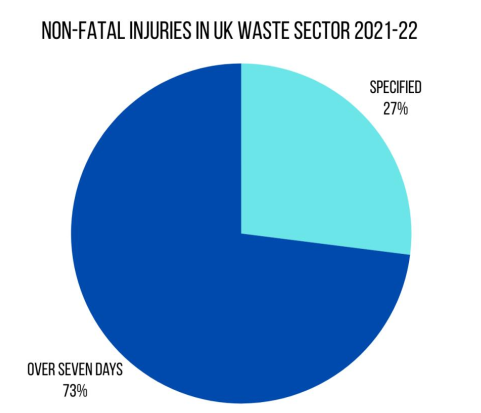
The main causes of accidents were:
- Manual Handling (Muscular Skeletal Disorders) (MSDs)
- Slips and trips
- Hit by moving, flying or falling object
- Falls
- Hit by something (object) –
- Hit by moving vehicle
- Contact with moving machinery
- Needle-stick/sharps
On that basis, the research suggested that a 10% reduction in sickness absence would represent potential savings of around £7 million across the sector. While these are historical estimates rather than current 2026 cost figures, they demonstrate the substantial economic consequences associated with occupational ill health in waste and recycling.
Why it matters!
Earlier HSE research into sickness absence in the waste and recycling industry estimated that around 360,000 working days of absence each year could be attributed to work related factors. The study estimated that could cost the sector up to £70 million annually.
Reducing musculoskeletal disorders (MSDs) in the waste and recycling collections has the potential to reduce sickness absence, improve working conditions and lower the associated costs.
The HSE recommends where manual handling cannot be avoided, steps should be taken to reduce the risk of injury to the lowest reasonably practicable level.
Recognising and managing ergonomic risks is essential for a safe workplace. MI-BIN’s has therefore been developed around the established 240L wheelie-bin format with handling and operational practicality considered as part of the design.
The following factors influence your likelihood of suffering a manual handling injury whilst lifting waste and recyclables:
- The load weight
- Vehicle design
- Receptacle type and design
- Street environment
- Collection frequency
- Training
- Systems of work
- Working outside your capabilities
The HSE recommends carrying out a manual handling risk assessment to determine whether these risks have been adequately controlled.
The Manual Handling Operations Regulations state that the need to undertake any manual handling operation which is likely to involve a risk of injury should be avoided so far as is reasonably practicable.